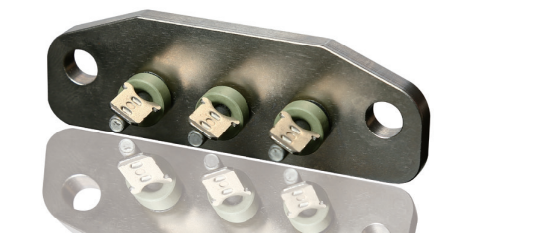
What to include in a sourcing brief
| Requirement | Information to provide |
|---|---|
| Mechanical interface | Pin count, spacing, diameter and exposed length; flange or weld geometry; mounting tolerances. |
| Electrical duty | Continuous and peak current, operating voltage, insulation resistance and dielectric test conditions. |
| Operating environment | Refrigerant and lubricant, temperature range, working pressure and pressure cycling. |
| Sealing construction | Required sealing technology and restrictions on ceramic, glass, metal or joining materials. |
| Verification | Leak-test medium, method, units and limit; electrical, pressure and thermal-cycle requirements. |
| Supply plan | Drawing revision, sample quantity, expected annual demand and destination. |
Common questions
Is every ceramic compressor terminal a ceramic-to-metal brazed assembly?
No. A terminal can use ceramic for insulation and glass-to-metal technology for its seal. Confirm the sealing construction on the drawing rather than identifying it from appearance alone.
Can I select a terminal from voltage and current alone?
Electrical duty is only part of the requirement. Pin geometry, mounting interface, refrigerant exposure and pressure conditions also affect selection.
Material properties and another design’s test results are not a rating for your assembly. Requirements belong on the agreed drawing and acceptance plan.
Plan samples and technical review ↗